
Passive House Design and Construction in Lake Tahoe
The highest standard in residential construction. Passive House homes are quieter, healthier, and more durable — built to perform in Tahoe's extreme climate for decades.
What Is Passive House?
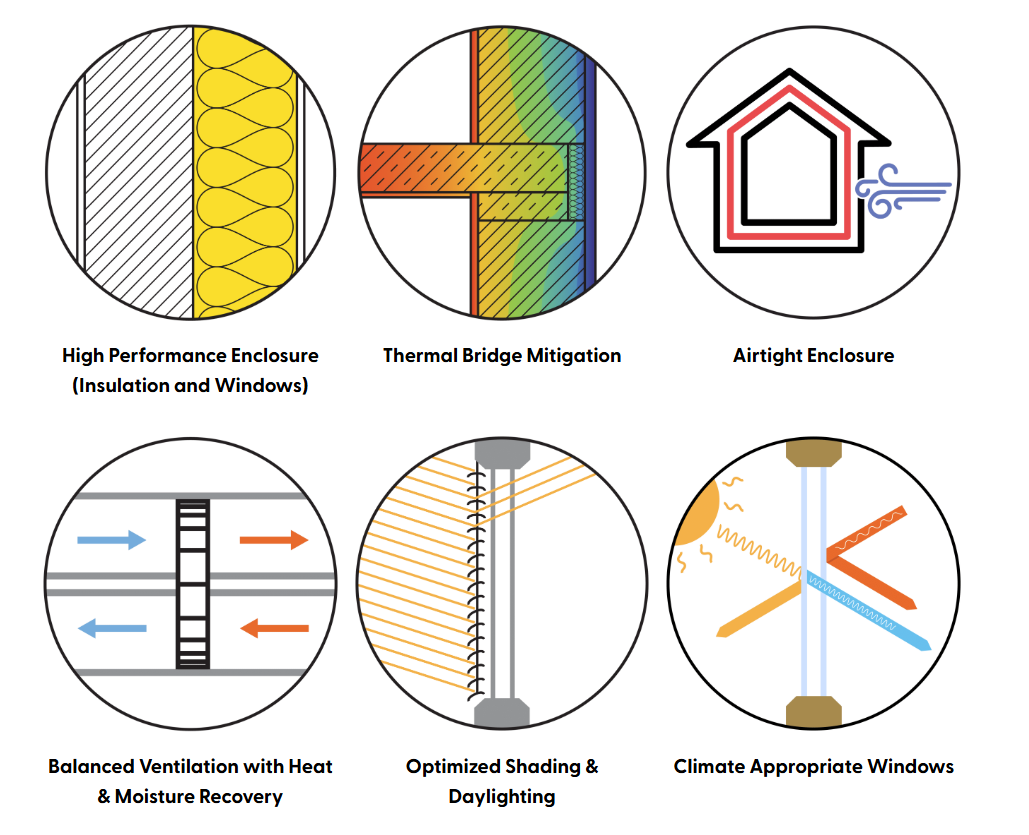
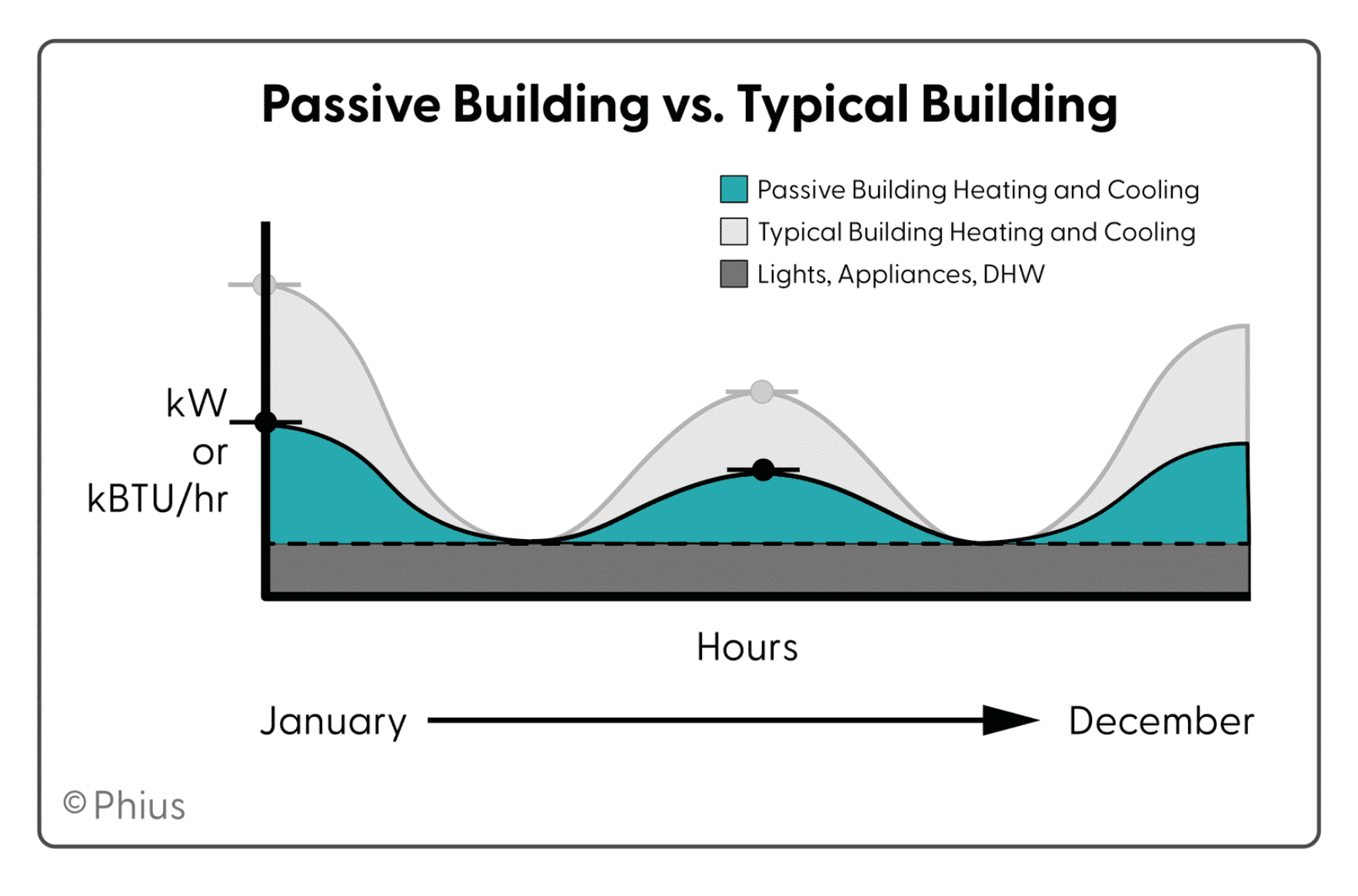
Passive House is a rigorous building standard focused on reducing energy use while dramatically improving comfort, indoor air quality, and durability. Through careful design, systems selection, advanced insulation, and airtight construction, Passive House buildings use significantly less energy for heating and cooling compared to conventional homes.
At its core, Passive House is not a style—it’s a performance standard.
Key principles include:
Superinsulated building enclosure
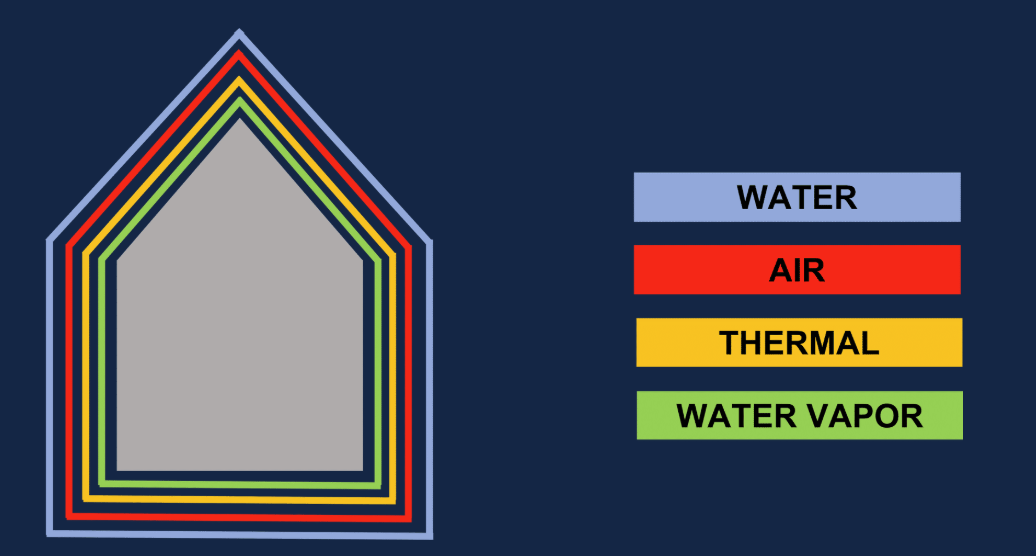
Airtight construction
High-performance windows and doors
Balanced heat recovery ventilation
Thermal bridge-free detailing
Why Passive House in Lake Tahoe?
Building in the Sierra Nevada presents unique challenges—cold winters, high elevation, intense solar gain, and large daily temperature swings. Passive House design responds directly to these conditions.
Benefits in the Tahoe region include:
Stable indoor temperatures even during sub-freezing conditions
Dramatically reduced heating demand
Improved indoor air quality during wildfire season
Lower long-term energy costs
Increased durability in extreme climates
What Level of Passive House Is Right?
Not every project requires full certification. We work across a range of performance levels depending on your goals and budget:
High-performance homes inspired by Passive House principles
PHIUS-aligned homes targeting aggressive energy reduction
Fully certified Passive House projects
Our role is to help you determine the right level of investment and performance for your project.
Why Pursue Passive House Certification?
While high-performance homes can be built without certification, formal certification through Passive House Institute US adds accountability, verification, and technical rigor.
What certification adds:
Independent third-party verification
Performance is reviewed through modeling, documentation, and on-site testing to ensure strict energy and airtightness targets are met.Collaboration with certified consultants
PHIUS projects involve trained modelers and consultants who guide the process and help avoid costly mistakes.Measured, not assumed performance
Blower door testing and detailed review confirm real-world results.Long-term value and credibility
Certification provides a recognized benchmark for quality, efficiency, and durability.
Cost vs. Value
Passive House construction requires a higher level of detailing and upfront investment, but that cost is balanced by long-term benefits:
Smaller, more efficient mechanical systems
Reduced energy consumption and operating costs
Superior comfort and indoor air quality
Long-term durability and resilience
We prioritize cost-effective strategies that deliver the greatest performance impact.
Thinking About Building a Passive House?
We’re happy to walk through your site, goals, and budget to determine the right approach.
Work with the Tahoe Basin’s only PHIUS-certified builder to deliver a home that performs as designed—from concept through completion.
Frequently Asked Questions
-
Passive House is a measurable performance standard, not a general concept. While many homes are labeled “green,” Passive House requires verified energy modeling, airtightness testing, and strict performance targets.
-
No. Many of our projects apply Passive House principles without pursuing full certification. We help clients determine whether certification, a PHIUS-aligned approach, or a high-performance build makes the most sense for their goals and budget.
-
Costs vary by project, but Passive House typically involves a higher upfront investment due to insulation, windows, and detailing. However, these costs are often offset by smaller mechanical systems, lower energy bills, and long-term durability.
-
Yes — cold climates are where Passive House performs best. The same principles that minimize heat loss in winter also stabilize temperatures in summer, making it ideal for Tahoe's wide seasonal swings. A super-insulated, airtight envelope with heat recovery ventilation means the home holds a comfortable temperature with minimal mechanical input, even during extended freezing conditions or power outages. Passive House originated in northern Europe precisely because of its effectiveness in cold climates.
-
Passive House homes use balanced ventilation with high-quality filtration (Merv 13), which can significantly improve indoor air quality during smoke events—a major advantage in the Tahoe region.
-
Passive House projects use high-performance, typically triple-pane windows with insulated frames and careful installation to minimize heat loss and condensation.
-
A blower door test measures how airtight a home is by pressurizing the building and identifying air leaks. It’s a critical part of Passive House verification and ensures the home performs as designed.
-
Working with a builder certified through Passive House Institute US means the builder is well educated, knowledgeable, and equipped to deliver Passive house levels of performance. As the only PHIUS-certified builder in the Tahoe Basin, we bring direct experience executing these details in real-world conditions.
-
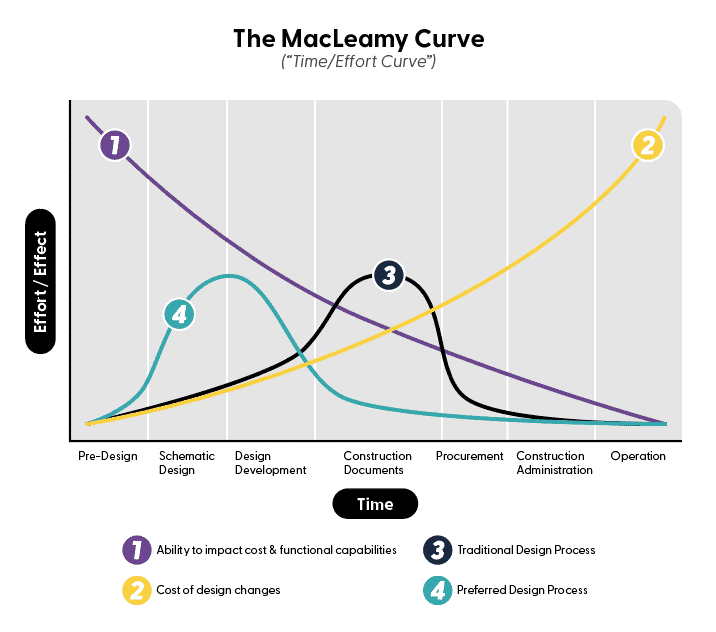
As early as possible. Passive House performance depends heavily on building form, orientation, and envelope design—decisions that are most effective when made at the beginning of a project.
-
Yes, when approached correctly. We use energy modeling and design iteration to prioritize the most impactful strategies and align performance goals with your budget.